The five missions of San Antonio

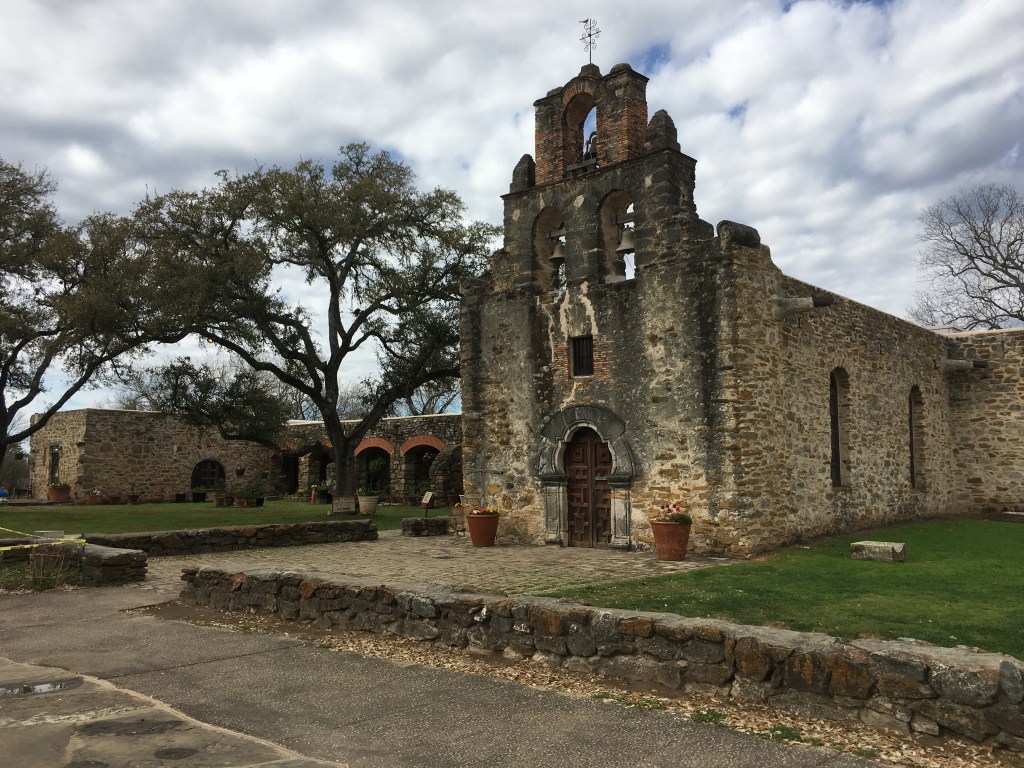
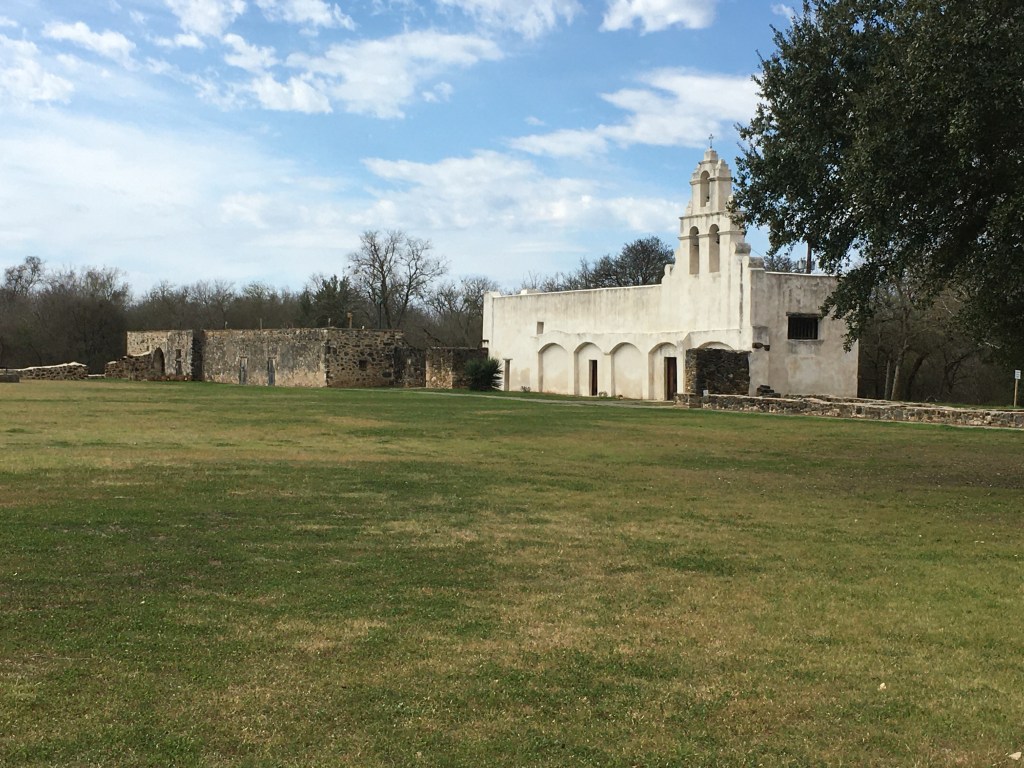
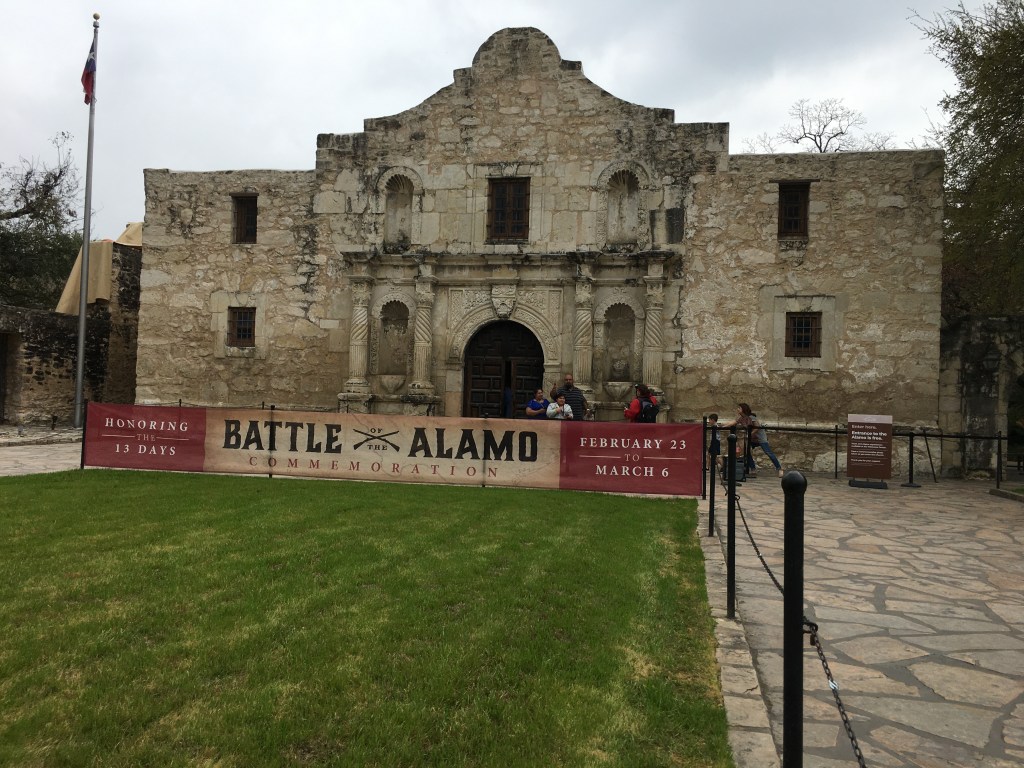
In the early 1700s, Spanish catholics built six missions near what is now San Antonio. One to the north was destroyed by Indians and never rebuilt, but five still remain today. The first one built was the Alamo, now the center of San Antonio. San Jose, San Juan, Concepcion, and Espada are preserved as part of San Antonio Missions National Historical Park. Attacked by both Mexicans and Indians, the one remembered today took place on March 6, 1836. On that day, General Antonio de Santa Anna finished the assault overrunning the Alamo. As old as the restored buildings are, mass is still celebrated at four of the five missions today.
Touring the King Ranch

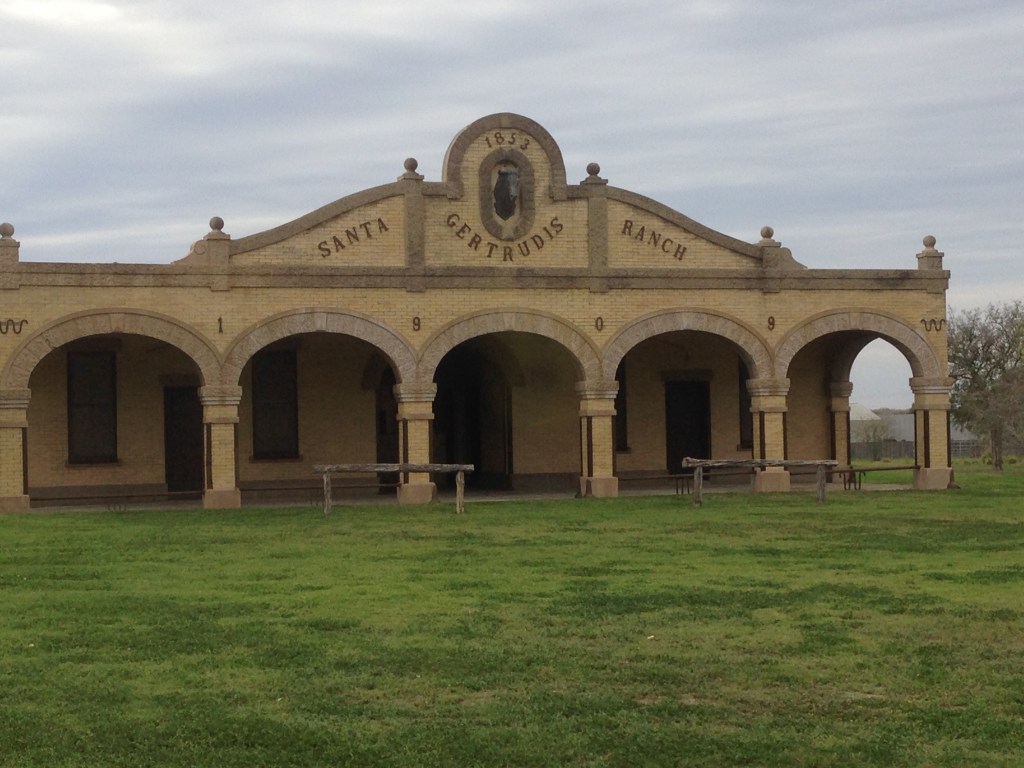
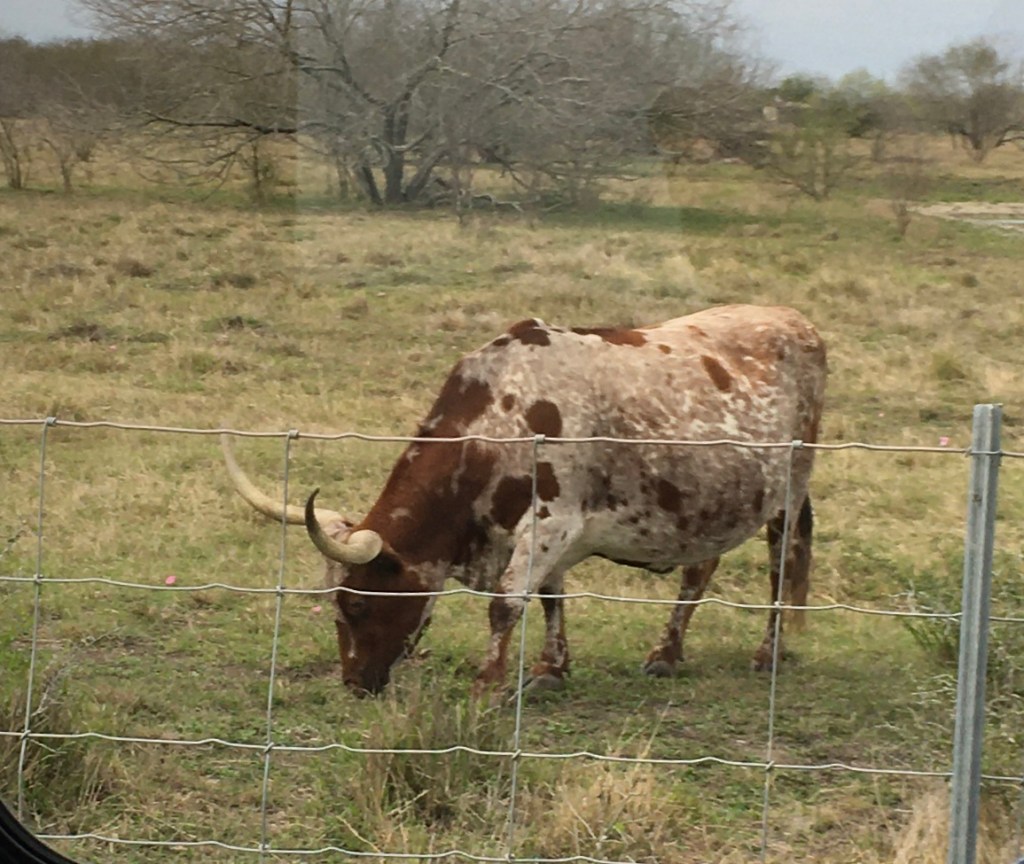
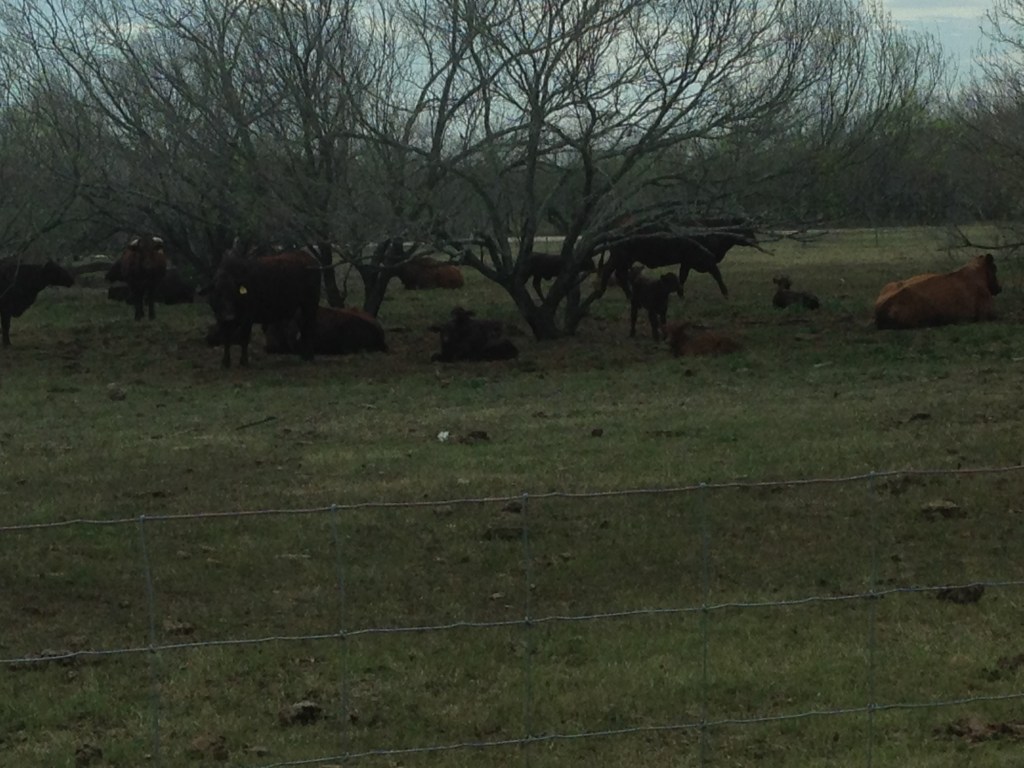
If you ever noticed a Ford truck with the trim level King Ranch, we found where it came from. The King Ranch in southern Texas is the largest ranch in Texas and bigger than the state of Rhode Island. Founded in 1853 by riverboat Captain Richard King, it is comprised of four separate sections or divisions. Although close, only two sections actually touch. This ranch is home to many longhorn cattle. One of the biggest issues that kept the ranch from growing the number of cattle was the lack of water. After King’s death, a son-in-law became manager and solved the water problems and the ranch flourished to what it is today. Once when King was in Mexico buying cattle, the locals said that after the money from the sale was gone, they had no way to survive. He told them that if they came with him to work on his ranch, they would always have a roof over their head, food to eat, a fair wage for work, and education for their children. And the ranch grew more with homes, schools, and stores.

Visiting North Padre and Mustang Islands

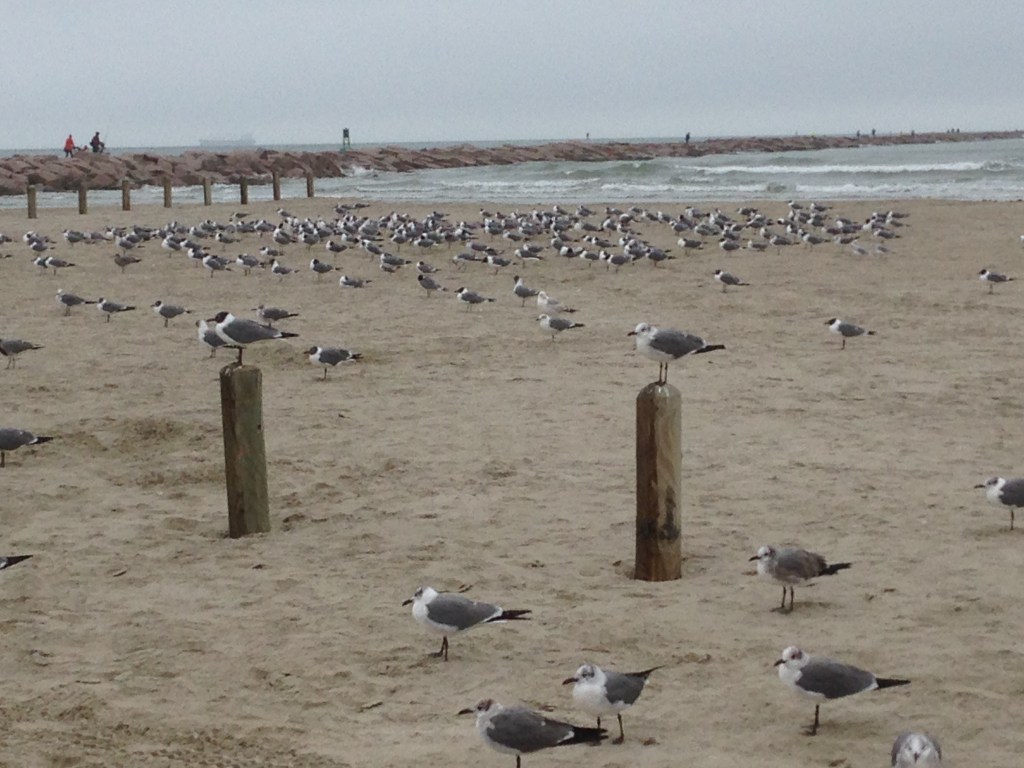
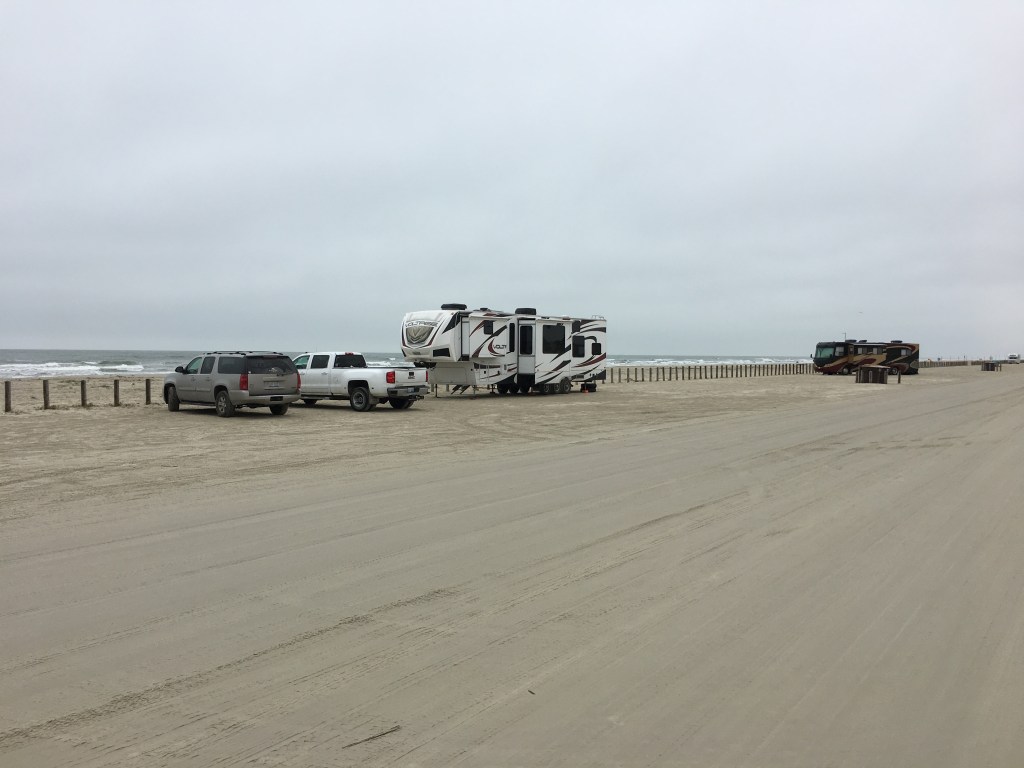
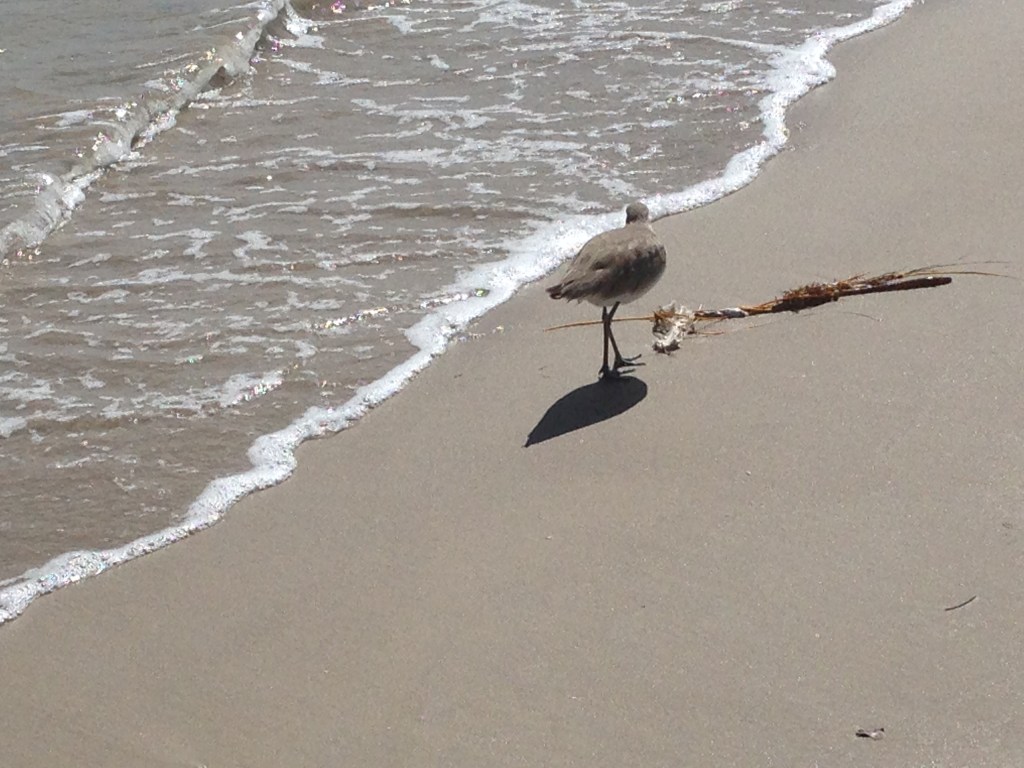
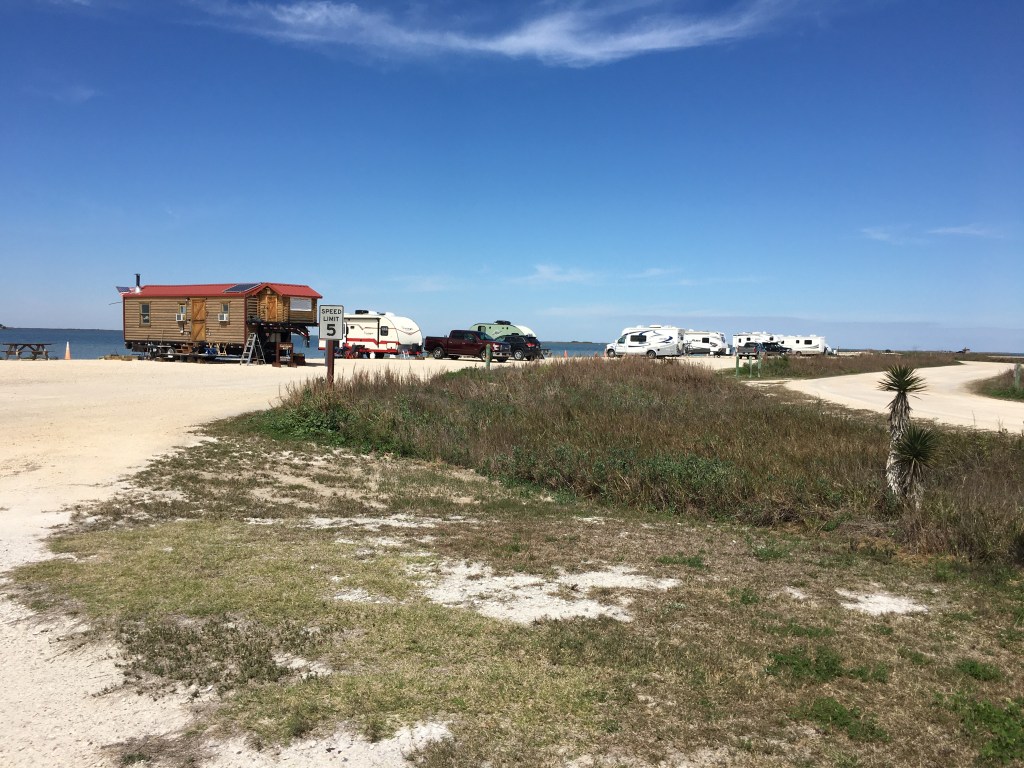
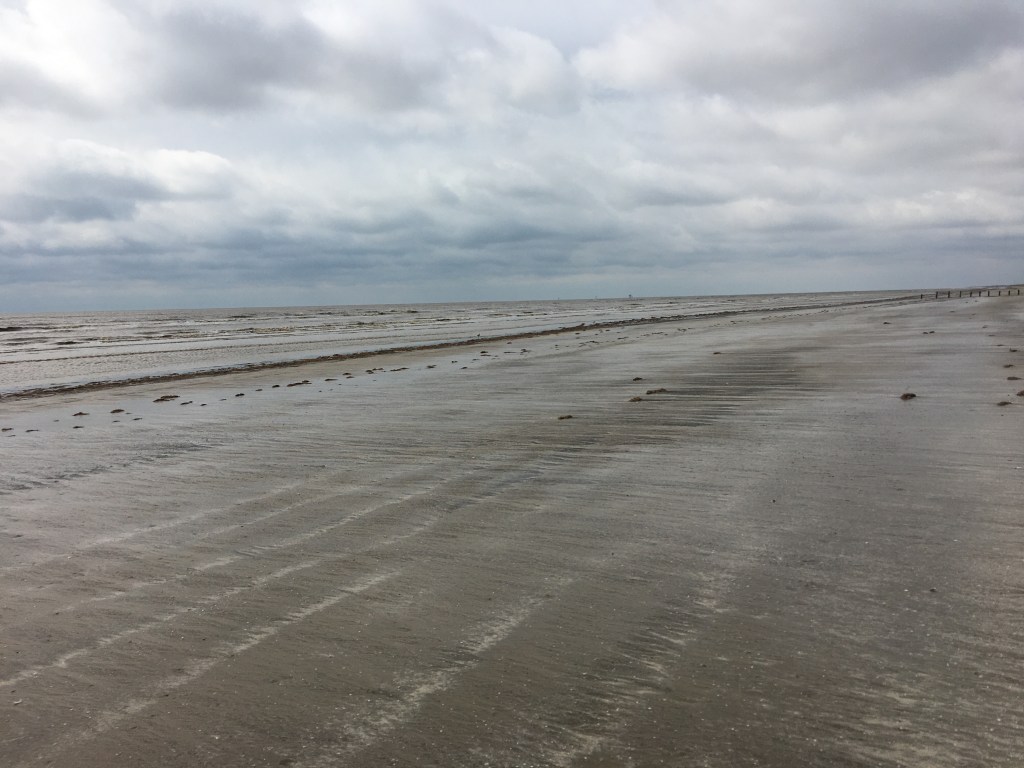
The city of Corpus Christi and its bay are protected by two barrier islands, North Padre and Mustang Island. Mustang Island is 18 miles long and accessible on the north by ferry and the south by bridge. After crossing on the ferry, it is less than a mile to the beach. Texas gulf beaches have a high clay content that makes them very hard and easy to drive on. From where we hit the beach at the Port A Jetty, you can drive almost all of the next 18 miles on the beach. Although most is marked for day use, some spots allow rv parking for up to two weeks. There is a small state park at the south end and after that, you cross the bridge onto North Padre Island. The first mile is solid high end homes with a lot of coves and private docks. Then you travel several miles thru the dunescape to Padre Island National Seashore. Here there is camping on the bayside, fishing, hiking, swimming, and several talks given by the rangers on various topics.
Aransas National Wildlife Refuge

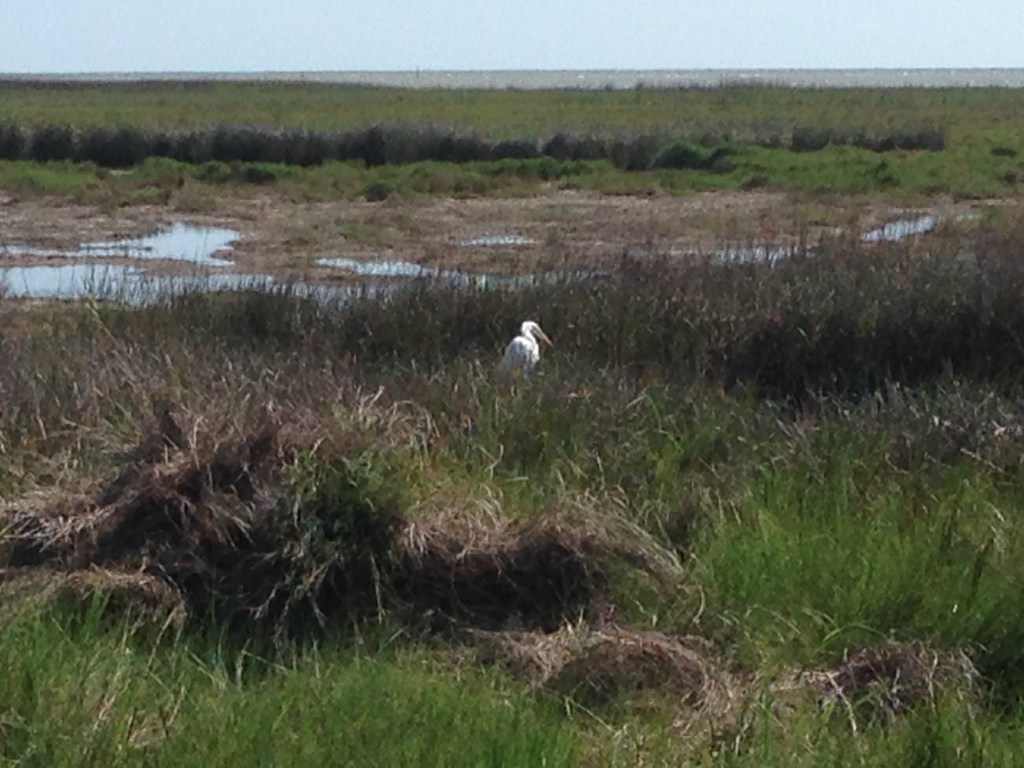
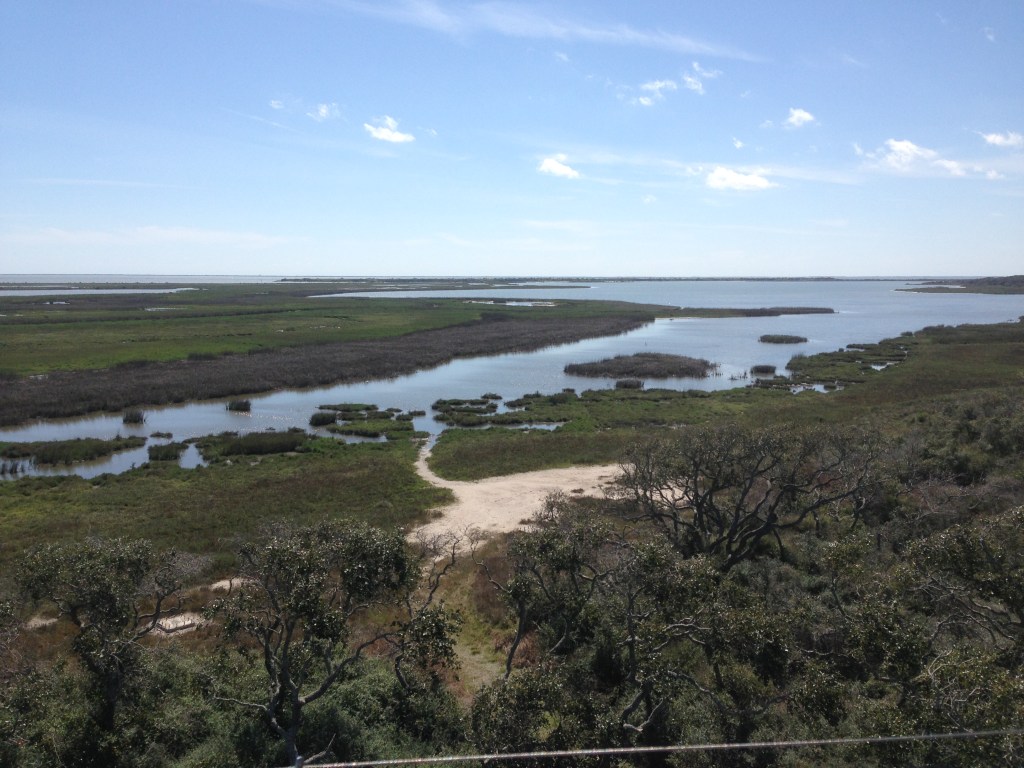
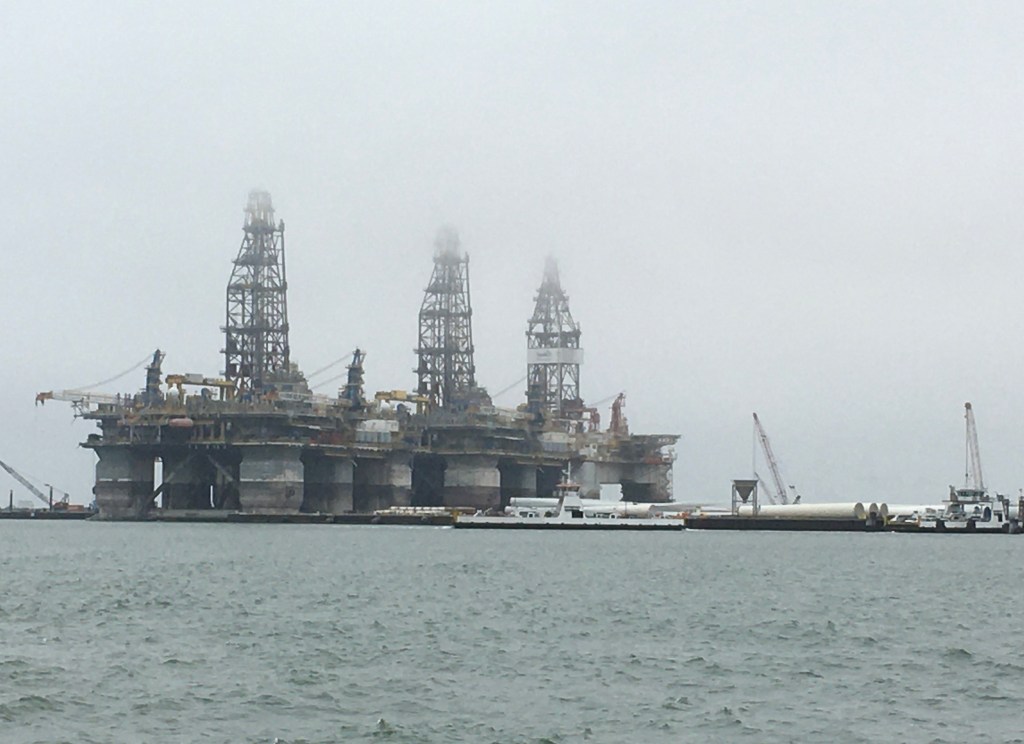
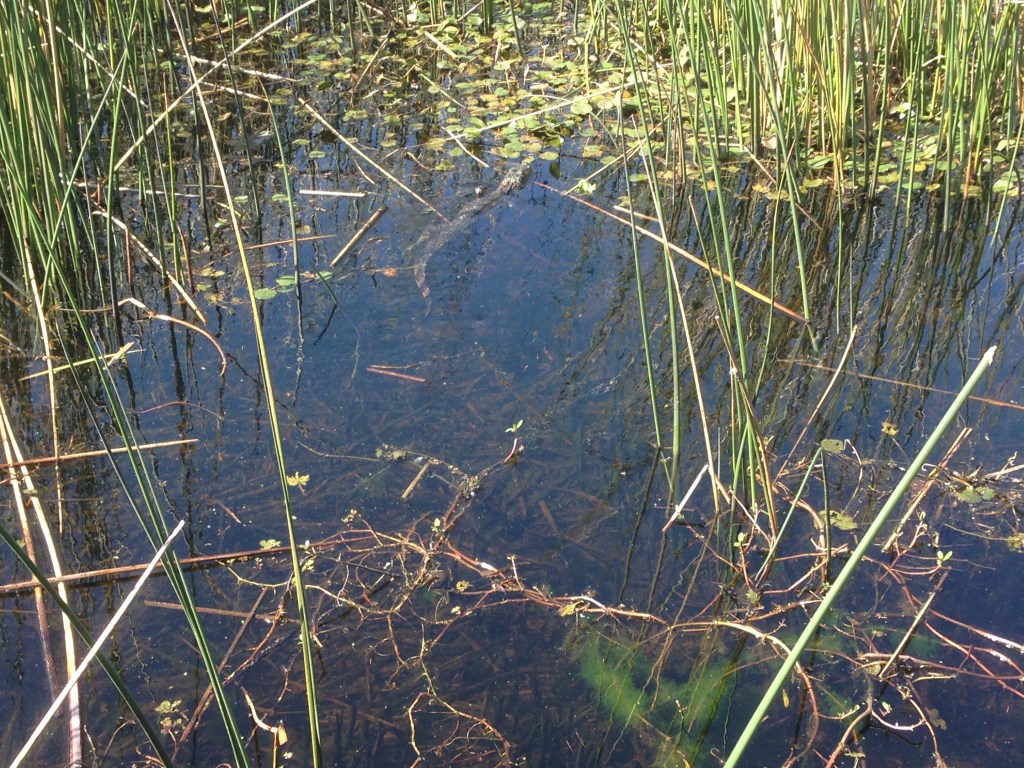
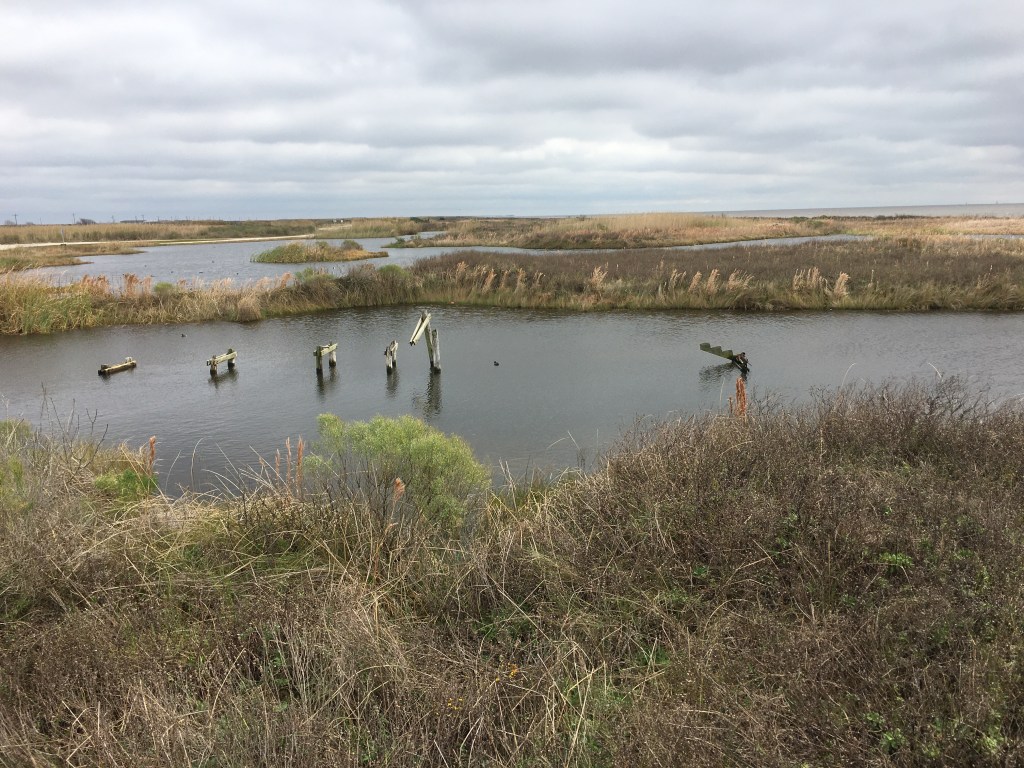
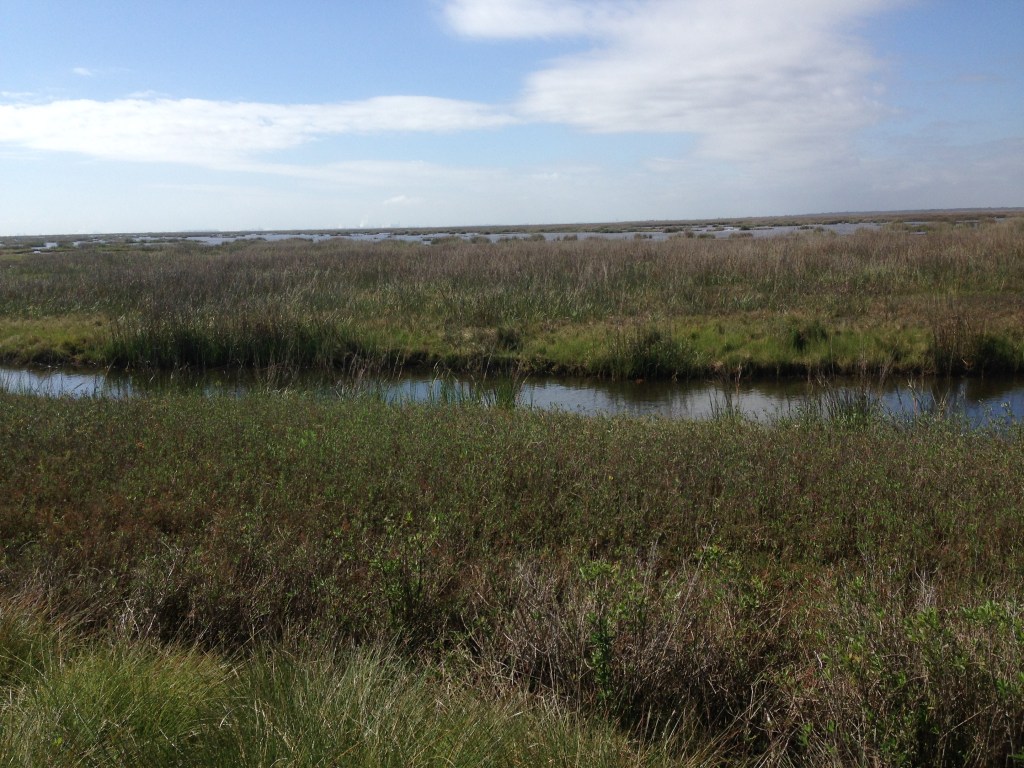
I was able to get the senior National Parks lifetime pass for $10 just months before it went to $80, and in 8 months we have saved over a hundred dollars using it. Aransas NWR is another estuary area that has so many different species of birds and animals to see in one place. On a path between a tidal pool and the gulf, we had flocks of cranes fishing in the gulf while 10 to 12 foot alligators were sunning on the pond’s shore. Those cranes are from far northern Canada and they migrate the 2500 miles south to this area every winter. The waters are clear, the air is fresh, and as anywhere else on the Texas shores, the gulf’s horizon is dotted with oil rigs.

Where is Rockport Texas?

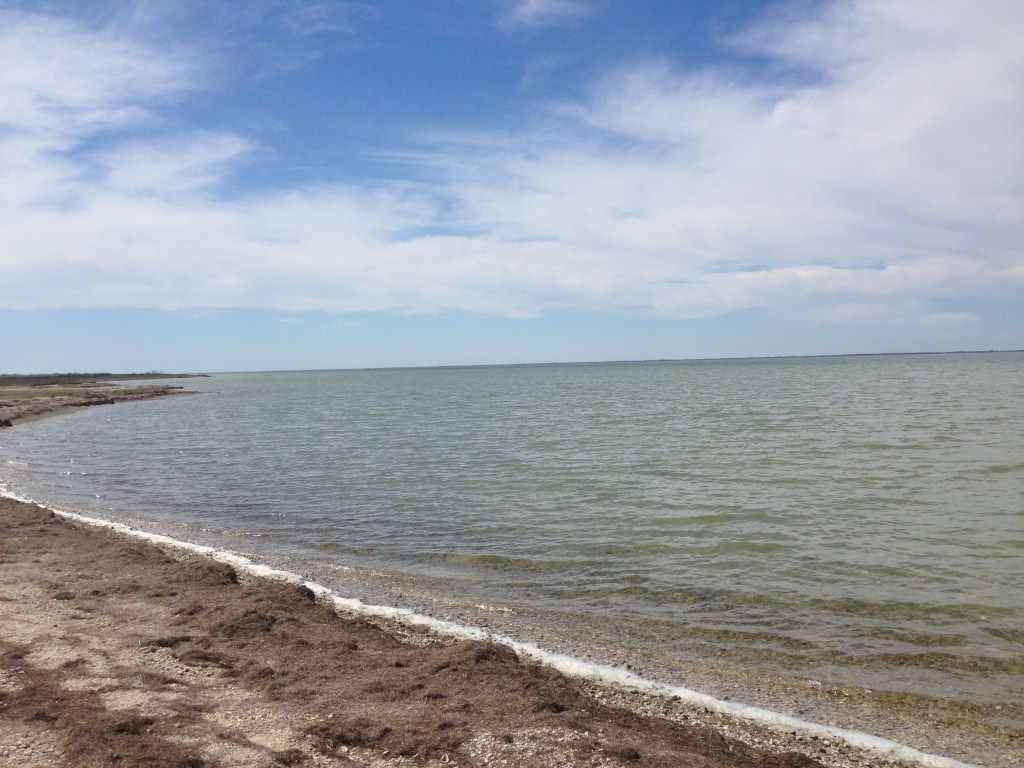
Glad that you asked! Rockport is a sleepy little city 25 miles north of Corpus Christi. On a peninsula, it is a fisherman’s paradise. Over a decade of more northerly winds, the water temperature has dropped enough to drive away some of the sport fish such as tarpon, but there are still a lot of fish to be caught. A very close friend spends 4 to 5 months a year here and we are staying just a few sites down from him and his wife. They took us for several tours here, one to Mustang Island, a barrier island protecting Corpus Christi Bay. To get there, we crossed one bridge that brought us up to Port Aransas, but to reach the island requires taking a ferry. Run by the state, these ferries are free and can handle VWs to semis. My dually has to take two spots. After a few mile drive we were on the beach, literally! The beaches here have a high clay content and pack down so well, they allow RVs to stay here for minimal amounts.

Space Center Houston

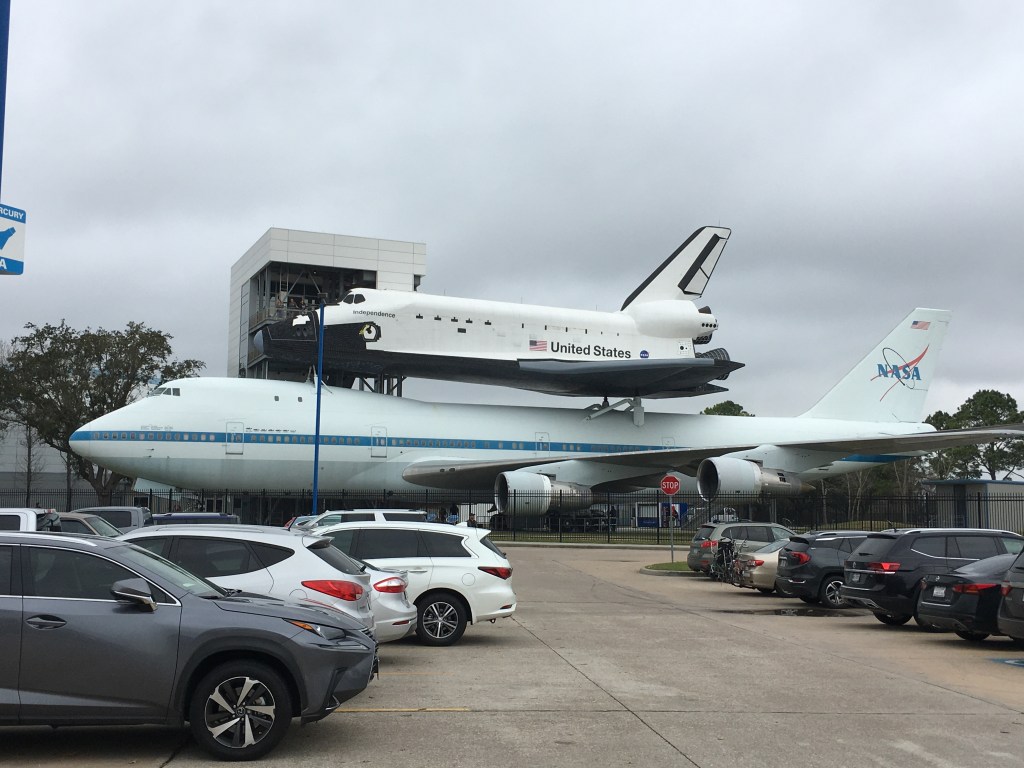
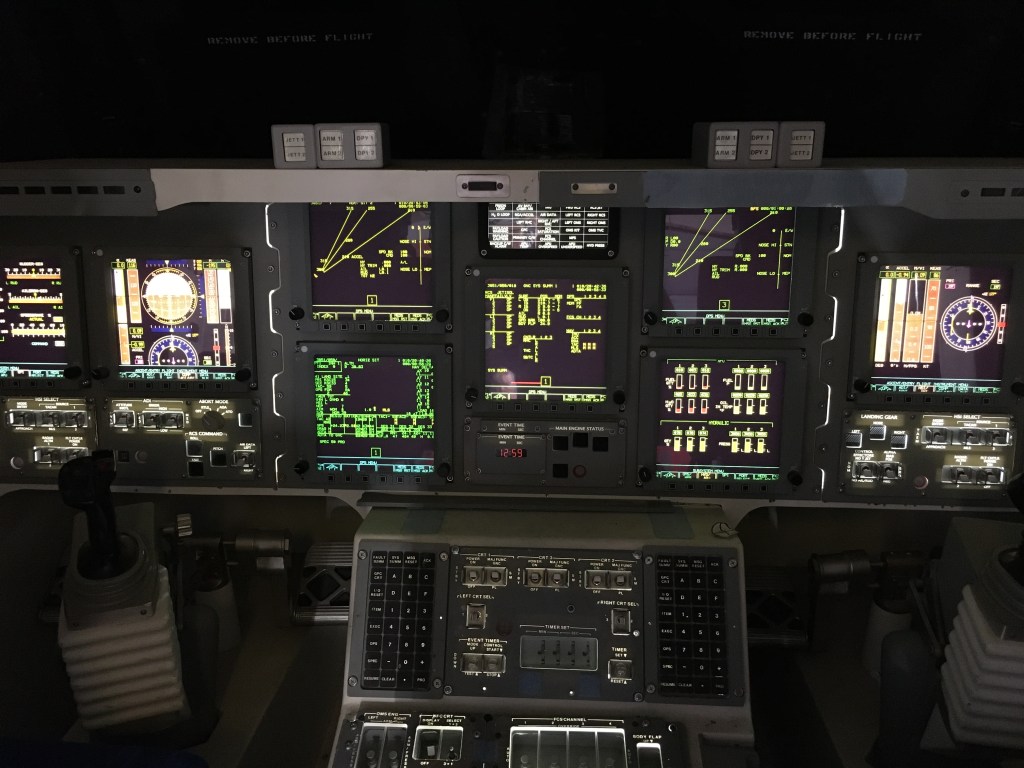
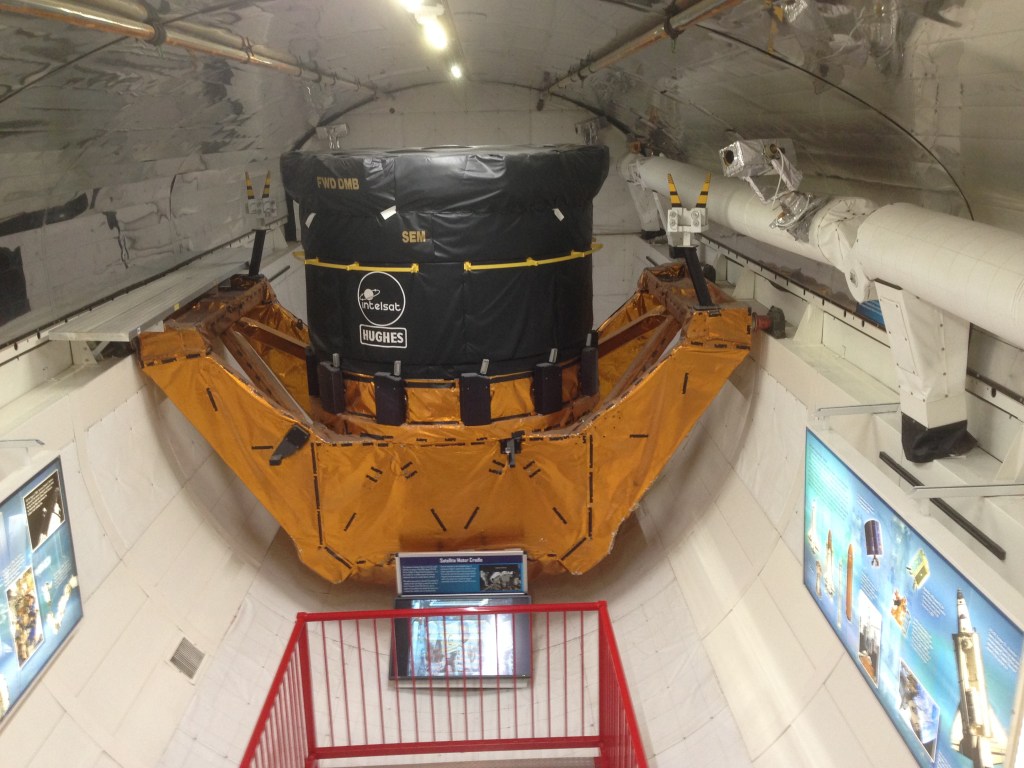
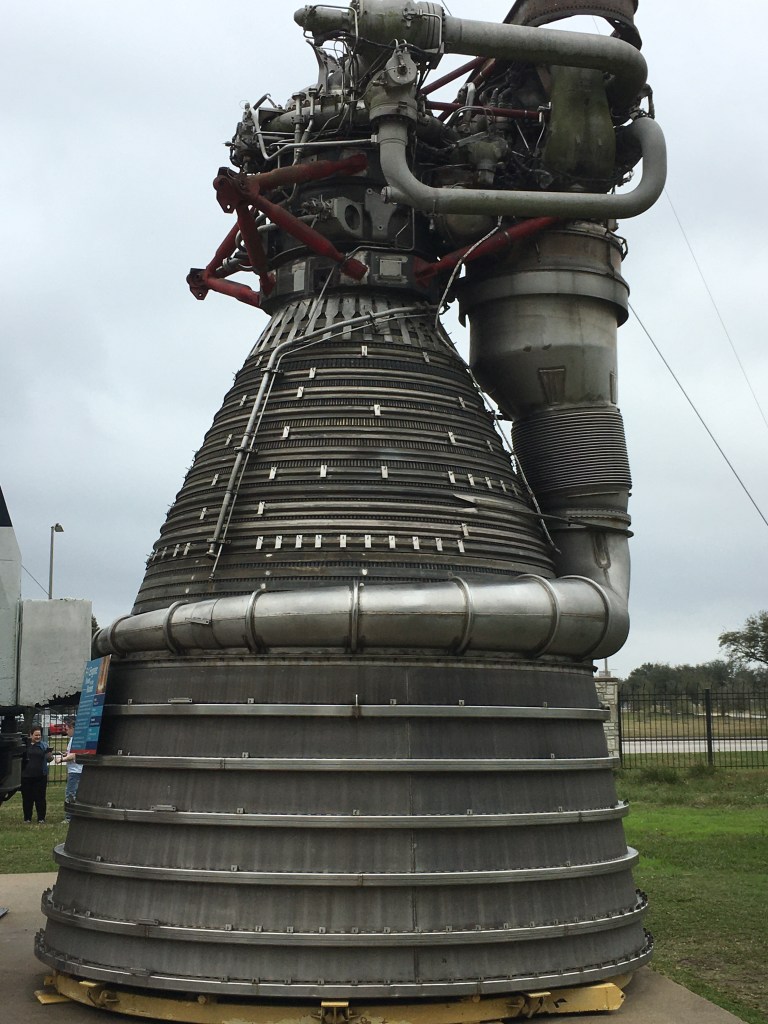
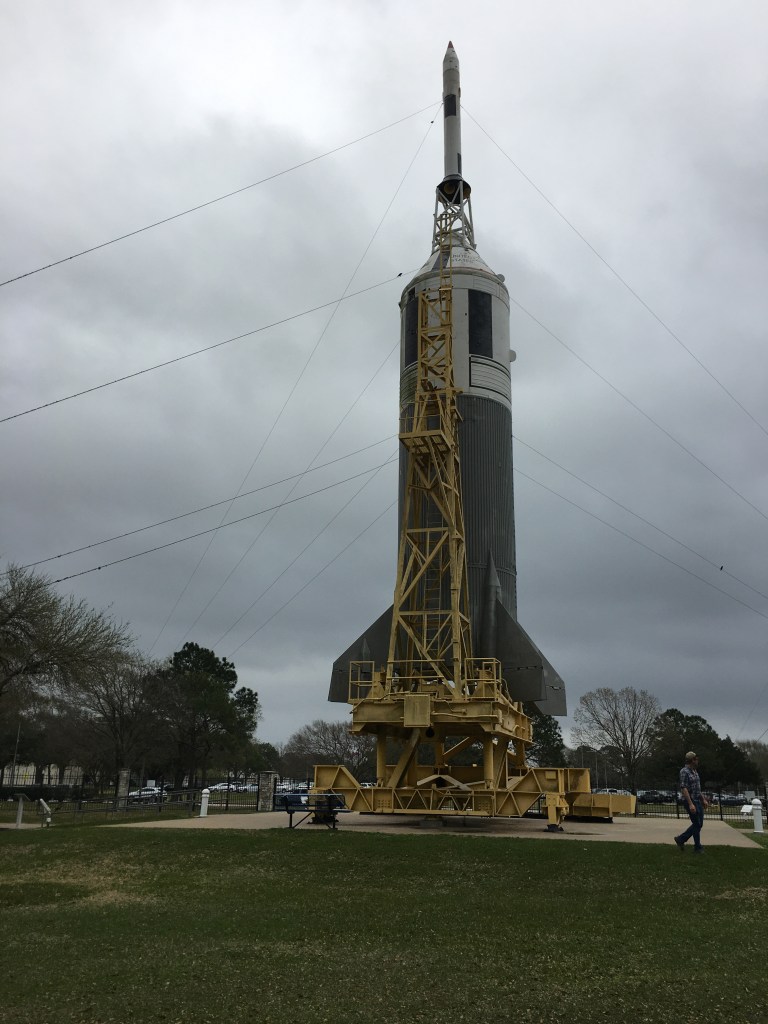
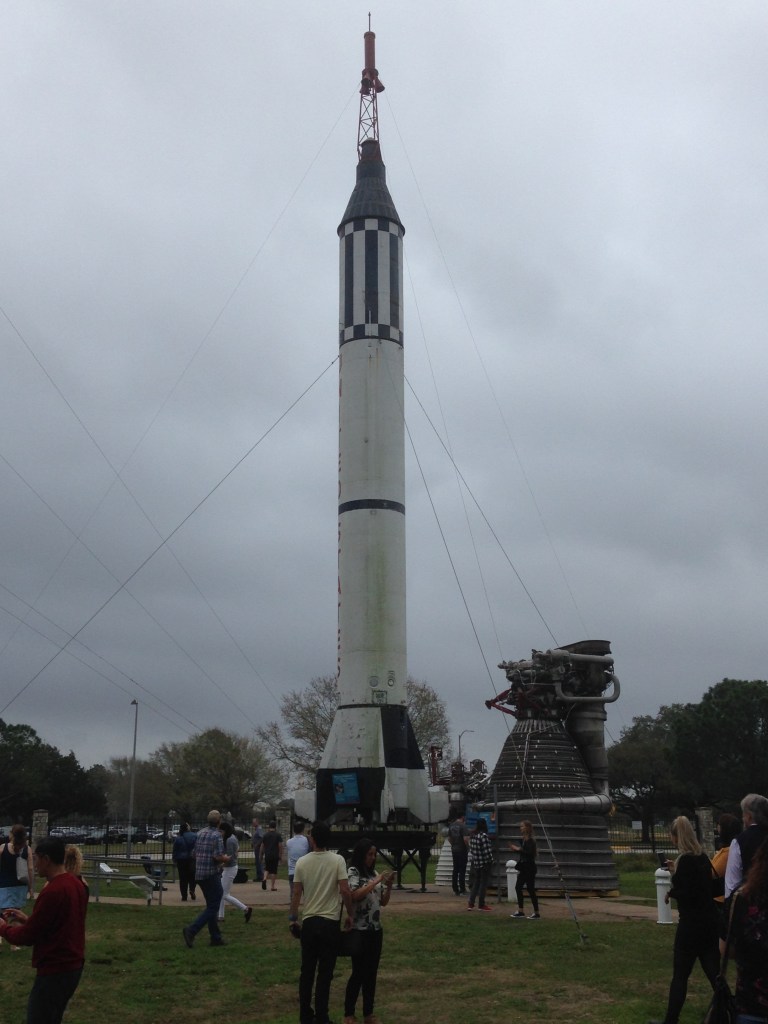
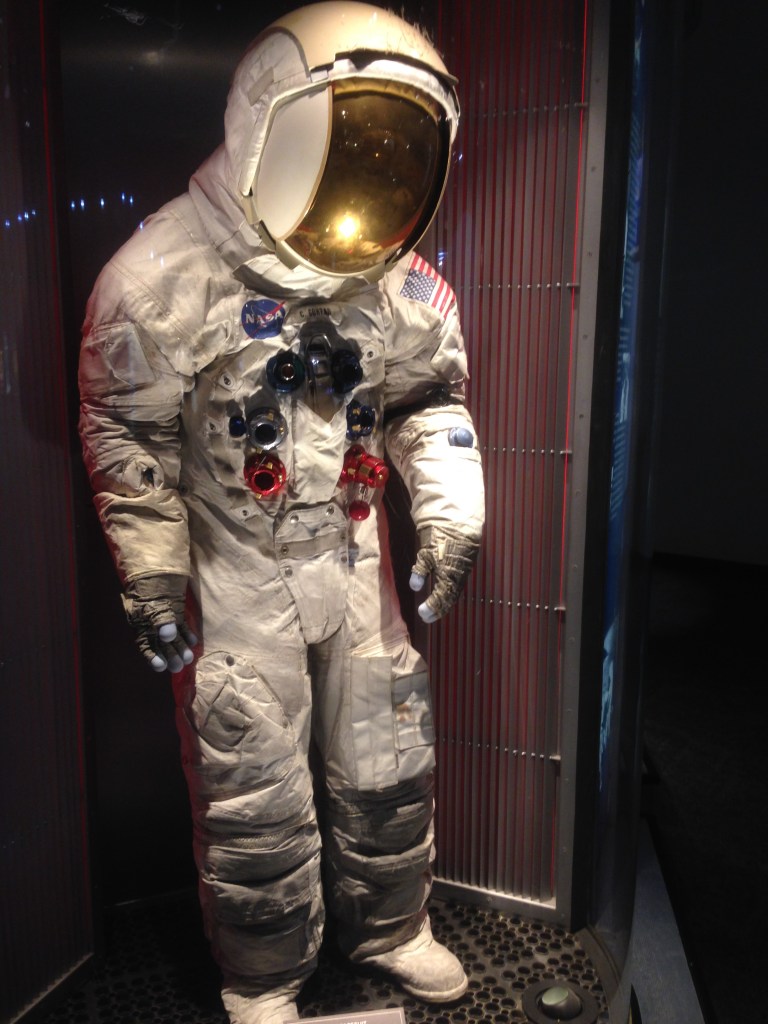
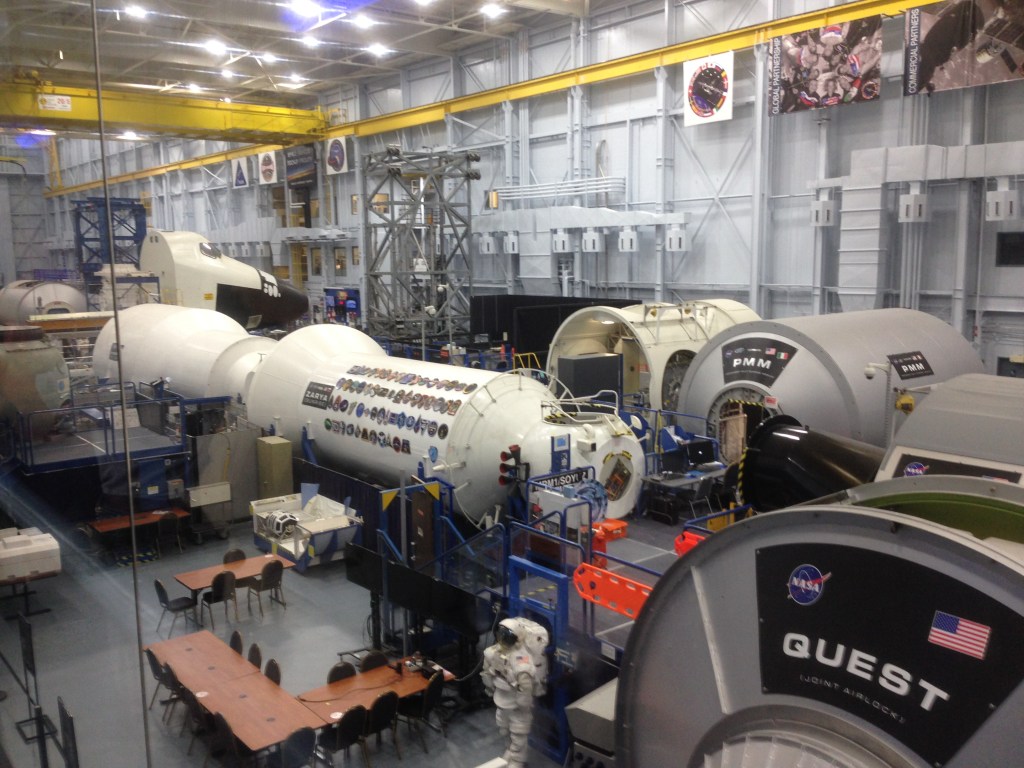
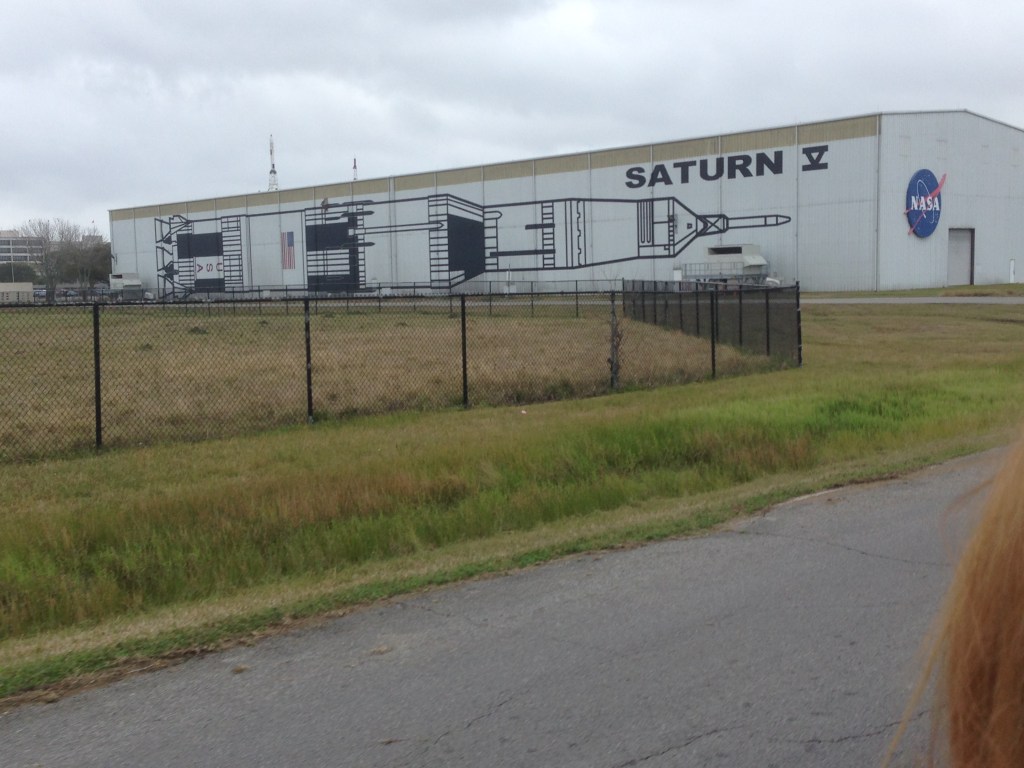
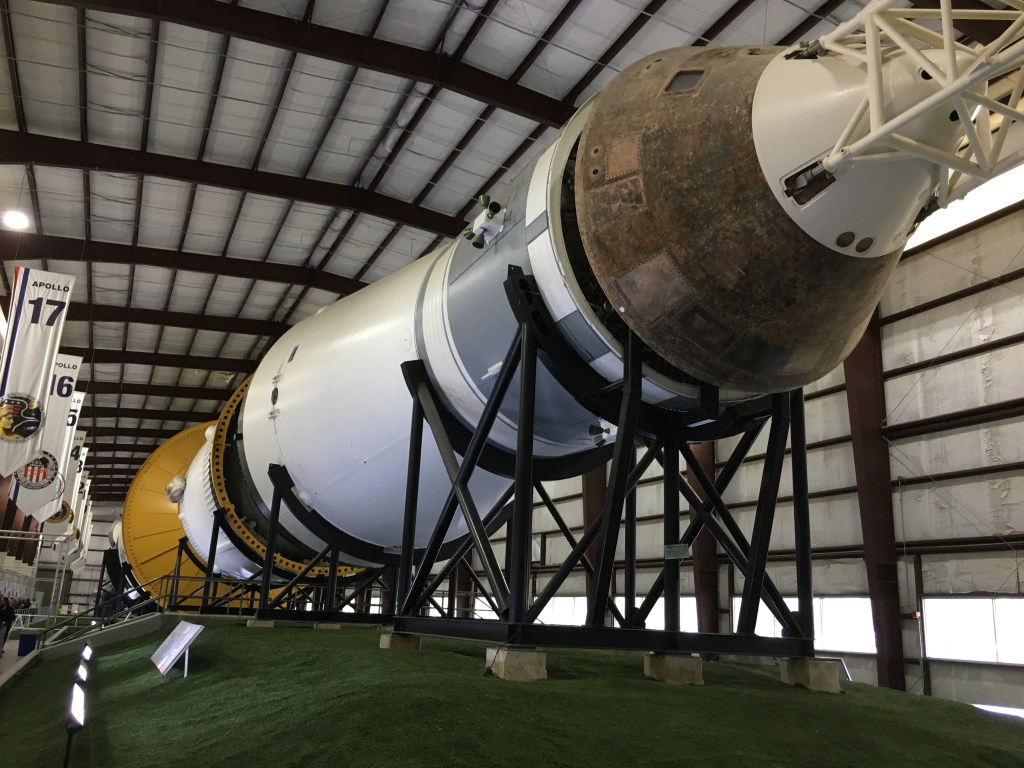
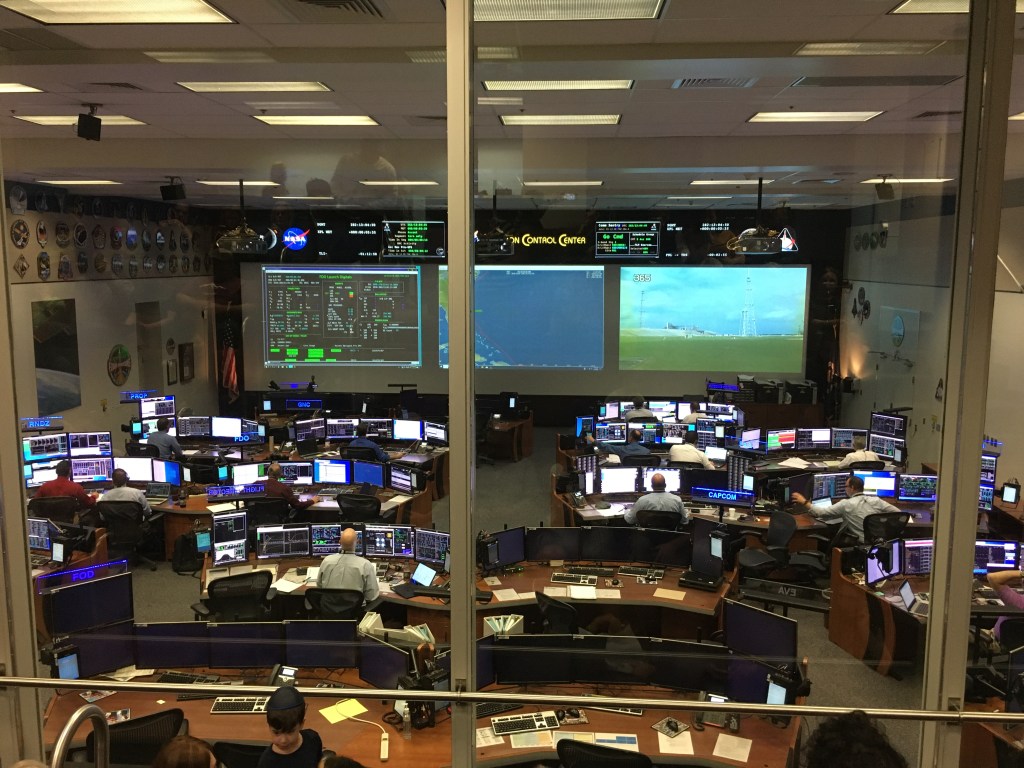
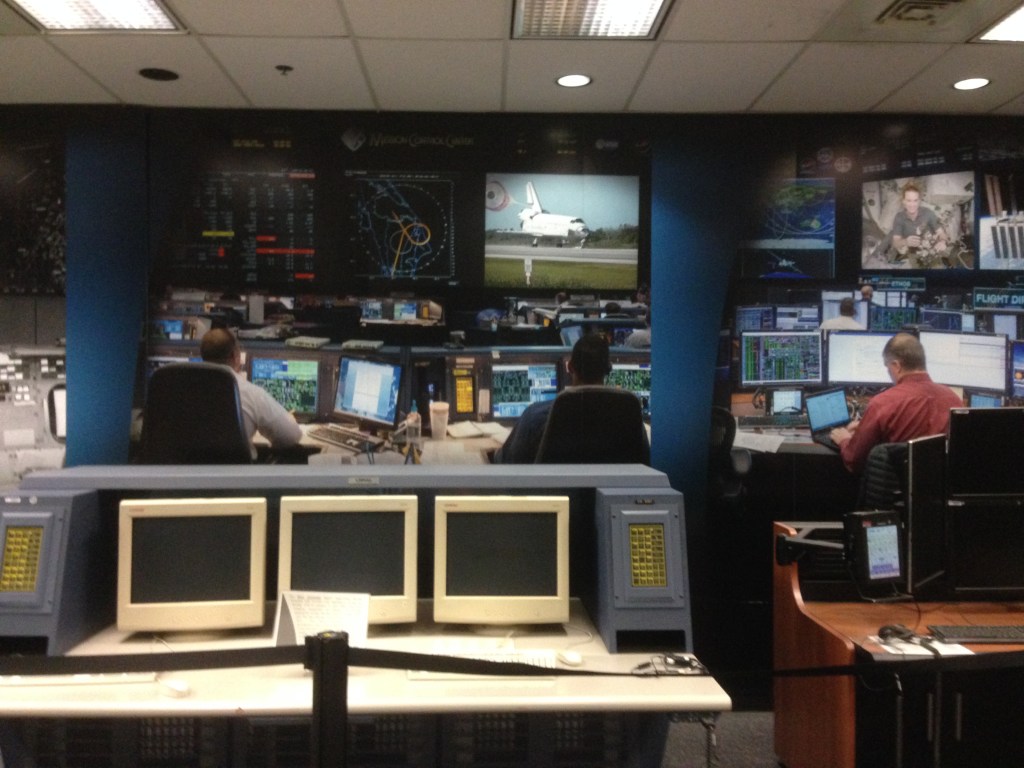
“Space, the final frontier” is on display here at the Space Center. Driving thru the gate, you are greeted with the view of a 747 shuttle transport with a shuttle mounted on top! Inside there are exhibits and memorabilia that tell the story from the first rocket launch to how the continue to build and maintain the space station. When you take the tram tour, you are driven thru a security gate into the NASA Johnson Space Center – the active center of operations for NASA. The different buildings are pointed out on your way to the first stop, the Mission Control Center. From a gallery above, you can see all of the working stations and monitors of the center. They are a little busy today as there is a practice launch later. The next stop was outside a rather long building with a picture of the Saturn 5 on the outside. As we entered the building, there was a Saturn 5 rocket and capsule, on wheels ready to roll out to the launch pad. It was almost a religious experience seeing something this significant as I just walked around it in awe. After the tour, the only thing left to see was that shuttle atop that 747. You get to see the shuttle and jet from the inside, including the shuttle cockpit. This place is a must see in Houston.

Galveston Island and Brazoria Nat Wildlife Refuge

Brazoria is another place where freshwater sloughs meet the saltwater tides and create a haven for ducks, geese, alligators, and so many other species of birds, reptiles, plants, and insects. The trails and boardwalks allow visitors to see a lot close up, but because there are so many different eco systems here, you really need to take the self guided driving tour. Then we headed down to Galveston Island. Galveston is like so many other coastal cities that we have seen – they have beautiful beaches, then on the other side of the road are hotels, bars, restaurants, tourist traps of every kind. The most interesting one of which is the amusement park that is built on a concrete pier. The Galveston Island Historic Pleasure Pier is a fascinating site to see. We also had lunch at the Cajun Greek restaurant. Wasn’t too sure about that combo but they serve crawfish by the pound and they were selling a lot of them little lobsters.

From oil rigs to wildlife preserves

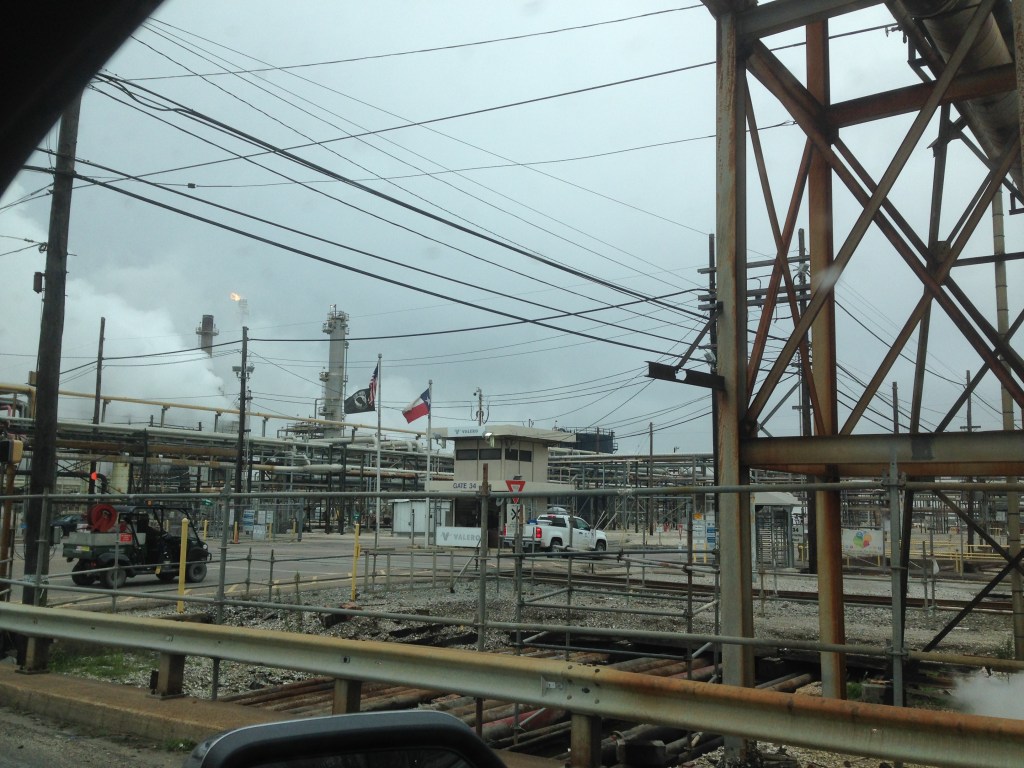
Texas is the epicenter for oil in the US. Starting at the Texas Energy Museum, we saw outstanding displays of how oil wells are drilled, how the oil was created, and how it is broken into different products, called cracking. This is a highly detailed museum with great displays and information. The next trip was to see Sea Rim State Park and Texas Point National Wildlife Refuge. On the way down, we got to see the refineries in action as there are refineries down here measured in square miles, not acres. Interesting, there were no tanks for storage. The oil comes the few miles from the coast in pipes and the finished products also leave via pipes and trucks. Sea Rim is just about the farthest eastern gulf coast in Texas. Although it is quite cool, most of the 25 RV sites here are filled with people walking the beaches, hiking the trails, or just enjoying the view of the gulf over morning coffee.

We made it to Texas

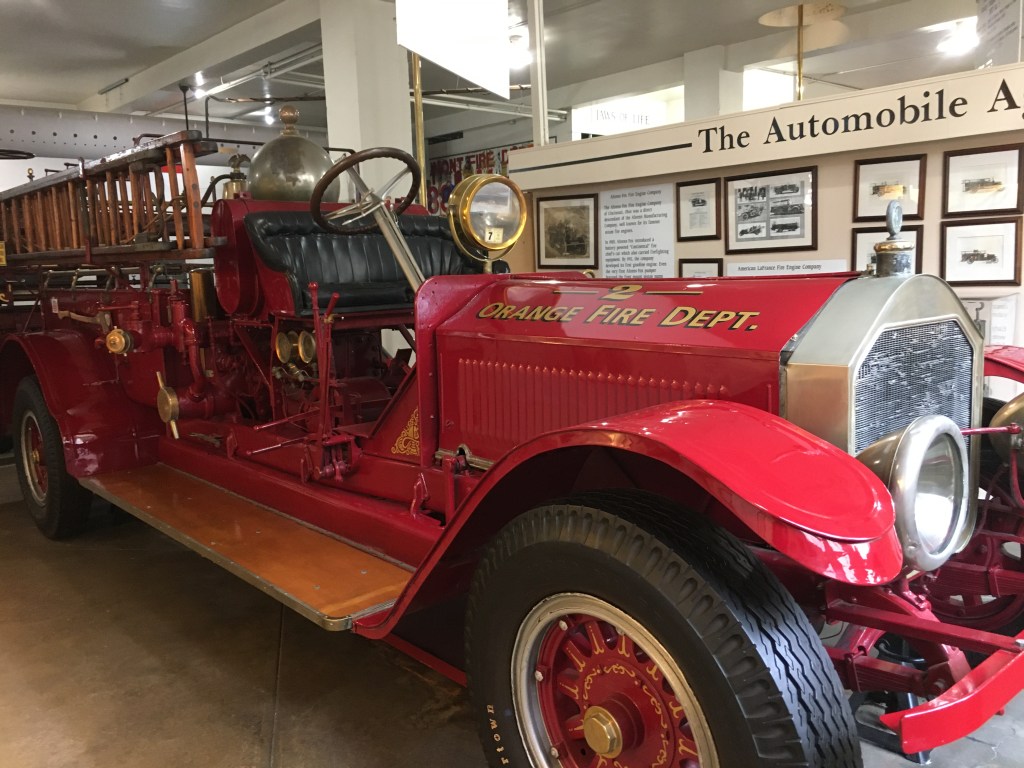
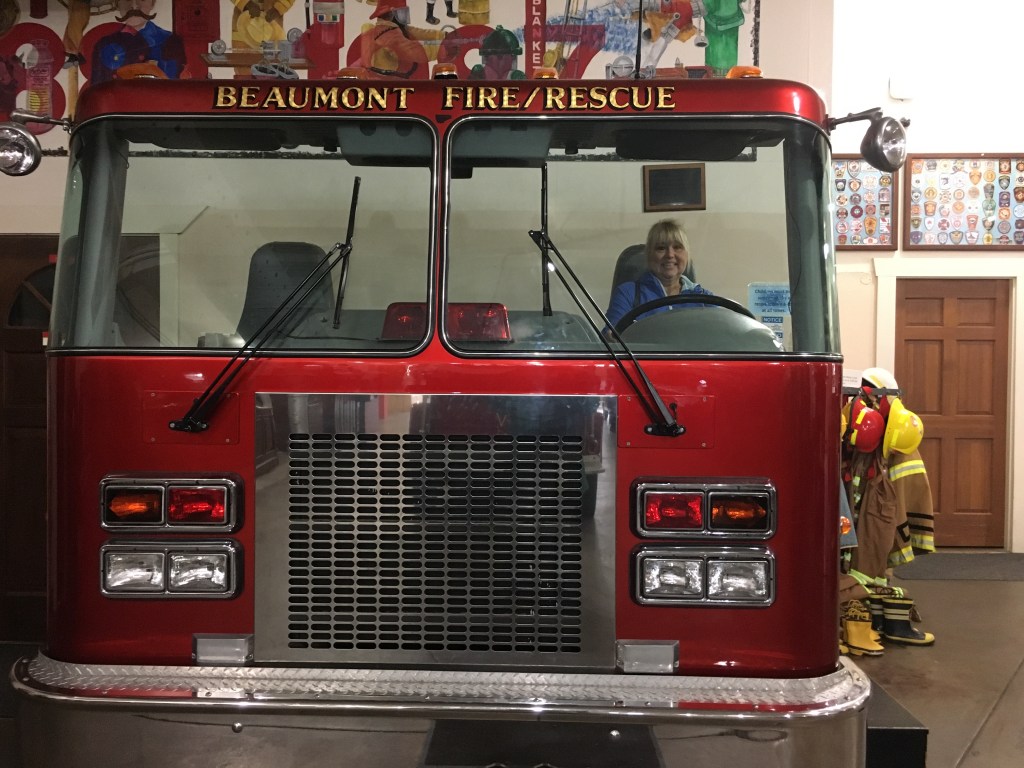
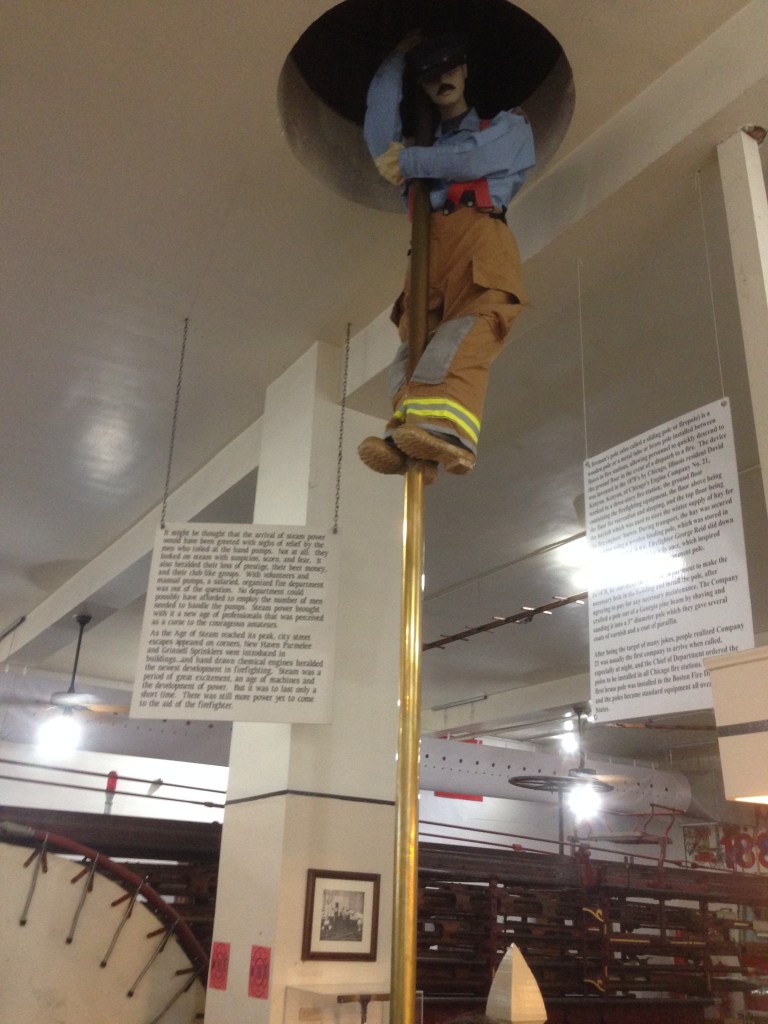
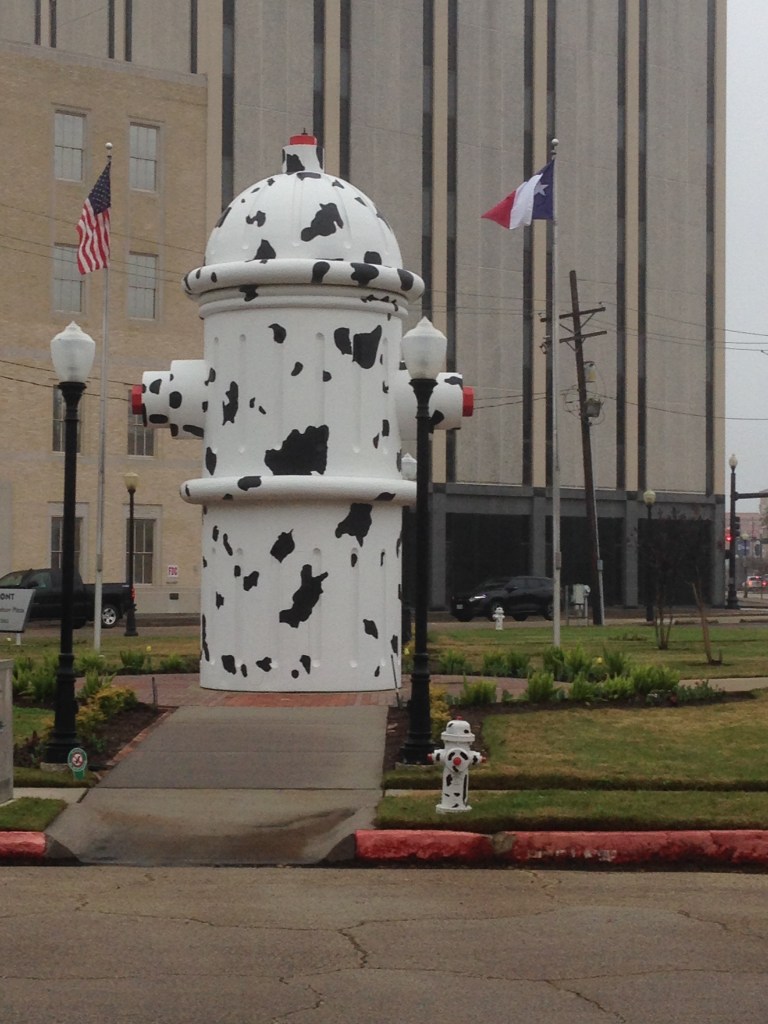
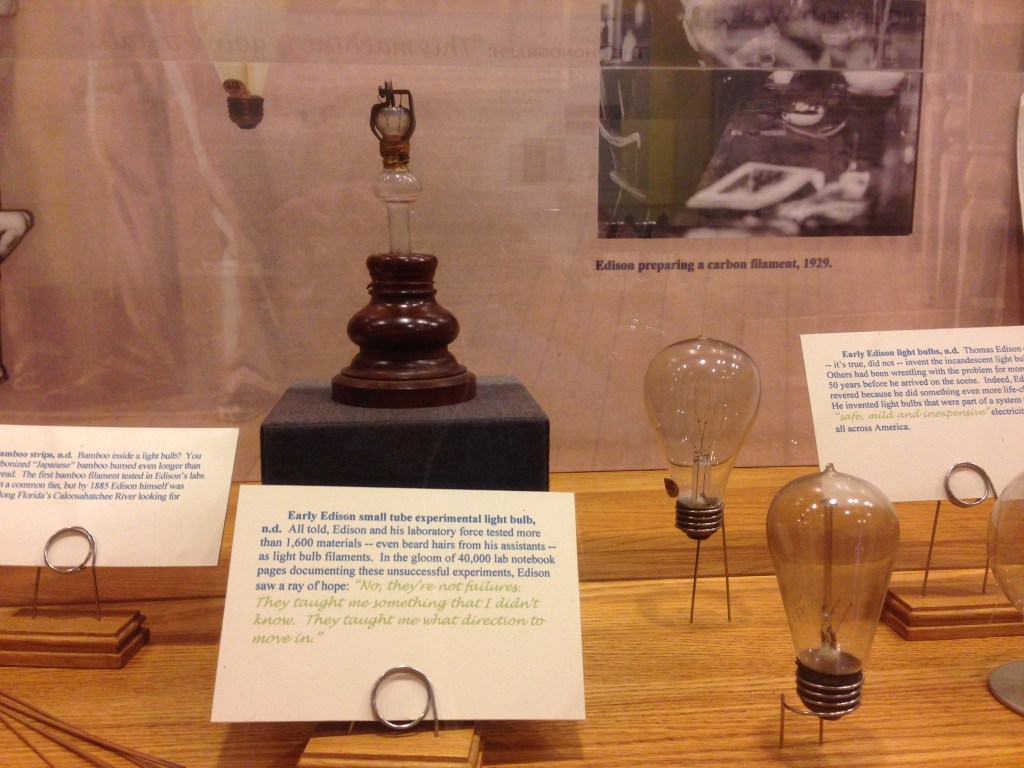
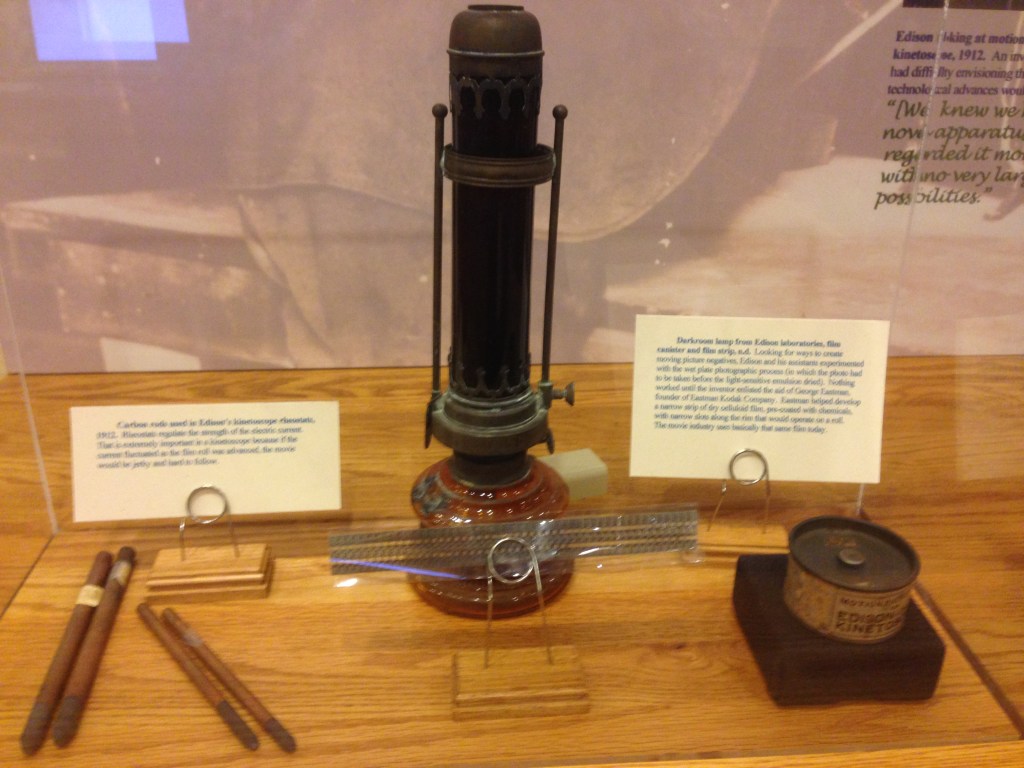
Okay, Texas is big – so big that the first exit on I10 is at mile 880. On I65, it ends in Gary at #262 – WOW! Our first stop is in Beaumont. First observation is that my truck does not look that big anymore. Our first visit was to the Fire Museum of Texas. Not big but quite interesting, they have some nice old pieces of equipment dating back over a hundred years. Did you know, in 1878 at Chicago’s Engine Company No. 21, a fireman was in the third story hayloft getting some hay for the horses when the alarm sounded. Rather than run down the stairs, he slid down the binding pole for the hay. A great idea was born in Chicago. About a block away, we toured the Edison Museum. Even though it is quite small, there are some interesting exhibits here.

Visiting Avery Island Louisiana

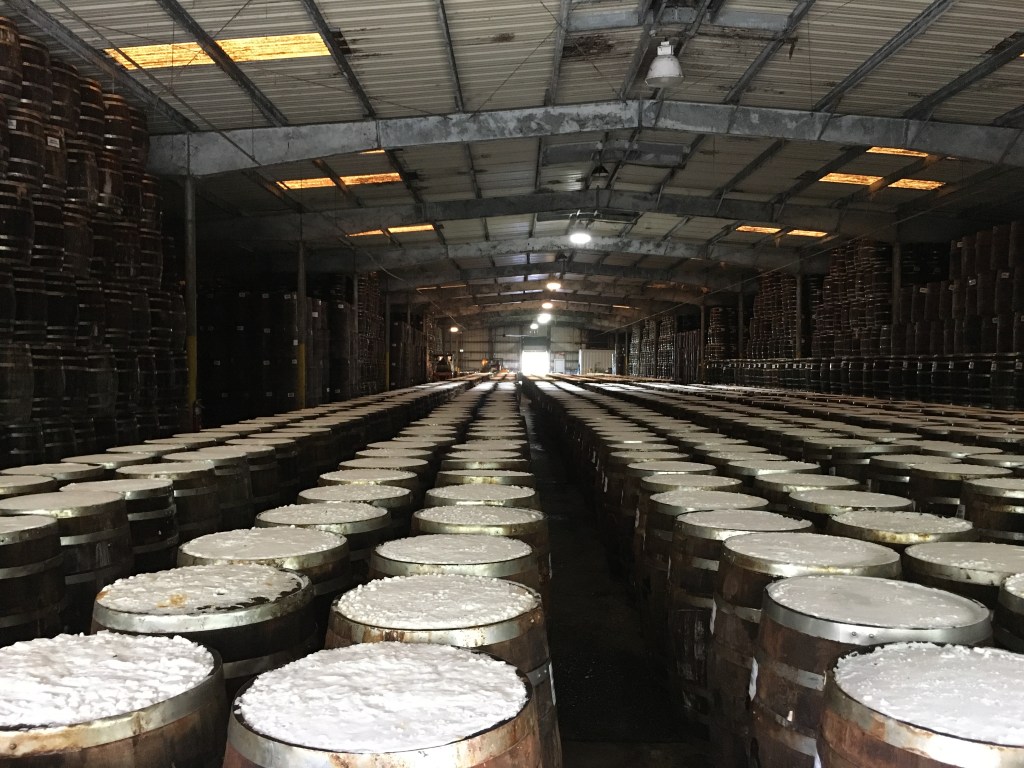
Does that town sound familiar? It should, it is on the label of every bottle of Tabasco sauce! Started by Edmund McIlhenny in 1868, the company has grown from 1 employee to over 200. At the plant, they bottle hundreds of thousands of their little red bottles and ship them to 195 countries in 25 languages. On the tour, you see the plants, the barrels, and the mixing and bottling lines up close. Edward Avery “Ned” McIlhenny created a jungle garden on the island and in 1895 he created Bird City, a sanctuary for the endangered snowy egrets. Starting with 8 birds, his sanctuary now protects over 100000 birds. They have a nice museum, country store, and the 1868 restaurant.